



Report - September 2026
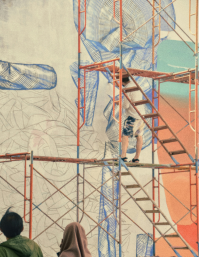
A Portable Benefits Pilot for NYC’s Growing Freelance Creative WorkforceAmid a rise in freelance work, New York City's artists face an urgent challenge: a benefits system still largely built around traditional employment. This report examines the economic changes in the city's creative sector, and proposes a portable benefits pilot to help more working artists build sustainable careers in New York.
Report - September 2026
5 Ideas for Reducing Bureaucratic Barriers in NYCThis report offers five concrete ideas to reduce bureaucratic hurdles that slow government down, increase costs, and make it harder to get things done in New York.
Report - September 2026
Strengthening NYC’s Entry-Level Tech Pathways in the Age of AIThe tech sector remains a vital source of well-paying jobs in NYC, but entry-level hiring for tech positions has plummeted in recent years, impacting college grads and tech training participants. With the first rung of the ladder under pressure in today’s AI era, city leaders should help reimagine on-ramps to tech careers for low-income New Yorkers.

Report - September 2026
Unlocking Public-Private Partnerships to Help Support and Strengthen NYC’s ParksNew York has a long history of tapping public-private partnerships to strengthen vital city services and infrastructure. This report argues that it's time for NYC to develop a new generation of public-private partnerships to support the city’s parks, while strengthening existing partnerships. It offers five ideas for doing so.
Report - August 2026
Strengthening CUNY’s Computer Science Faculty to Prepare Students for NYC’s Changing Tech EconomyComputer science enrollment at CUNY has more than doubled over the past decade, but faculty capacity has not kept pace. To bolster this vital pathway to the middle class, policymakers should help CUNY recruit and retain enough faculty with applied expertise and industry experience to equip students with the skills and experiences employers increasingly demand.
Report - August 2026
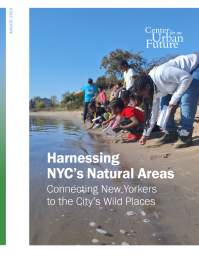
Harnessing NYC’s Natural AreasNew York City’s 12,000 acres of natural areas can improve public health, strengthen communities, and build climate resilience, yet remain overlooked and underused. Our research suggests that realizing more of that potential may depend on continued investment in staffing and maintenance, stronger awareness and wayfinding, and new approaches to programming, partnerships, and long-term funding.
Report - August 2026
10 Ideas for Expanding Equitable Access to Natural AreasNew York City is teeming with wild spaces. Yet too many New Yorkers remain cut off from these connections—especially in low-income communities. These ten ideas offer policymakers creative and practical options for unlocking the full potential of the city’s natural areas.
Report - July 2026
5 Ideas to Advance Economic Mobility in NYCThe Mamdani administration and City Council have taken promising steps to ease the affordability crisis squeezing New Yorkers. But making the city truly affordable will require more than lowering the cost of living. This report presents five actionable ideas to raise incomes and build wealth, developed for CUF’s third annual NYC Economic Mobility Summit.
Report - March 2026
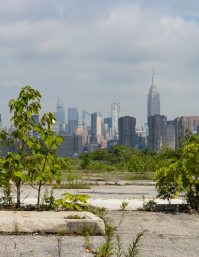
Creating and Capturing Real Estate Value to Generate Dedicated Funding for NYC’s ParksAs New York City confronts a widening budget deficit, identifying smart, sustainable ways to fund its parks is critical. This report shares five ideas for generating new, dedicated revenue for NYC's parks through capturing the value parks create for one of the city's wealthiest sectors: real estate.
Report - March 2026
New York’s Creative Spark: 10 Data Snapshots of the Arts Across New York StateFrom Long Island to Western New York, artists and arts organizations are sparking new levels of local economic vitality and strengthening communities from the ground up. But amid growing financial challenges, state policymakers will need to step up with bold policies and increased investment to sustain this momentum.

Report - March 2026
From Degree to CareerIn this challenging hiring environment, many of CUNY’s students are struggling to gain access to well-paying jobs. This report urges city and state leaders to invest in strengthening CUNY's employer partnerships and expanding its career success initiatives to turn more degrees into careers.
Report - March 2026
Putting the “Rec” Back in NYC Parks & RecreationRecreation was once at the heart of NYC Parks, accounting for nearly a third of the agency’s budget. Today it receives just 5 percent—leaving staffing shortages, fewer programs, and aging facilities struggling to meet demand. With New Yorkers in poorer health—moving less and more isolated—it’s time for a rec revolution.
Report - February 2026
5 Revenue-Raising Ideas for NYCThis report puts forward five concrete ideas to generate new recurring revenue for New York City. Taken together, the five ideas would raise more than $1.4 billion in new revenue each year, and would advance other critical policy goals at the same time.
Report - February 2026
5 Ideas for How Mayor Mamdani Can Bolster Workforce DevelopmentToo many New Yorkers are unemployed or stuck in low-wage work with little opportunity for advancement. This report's five ideas outline how the Mamdani administration can strengthen workforce development and expand access to middle-wage careers.
Report - January 2026
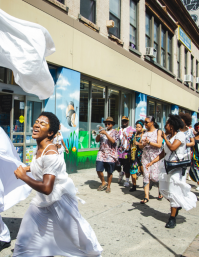
Integrating Artists into NYC’s Affordable Housing StrategyNew York City can not survive as a global center for arts and culture if artists can not afford to live here. And yet the city has fallen behind the rest of the state—and much of the nation—when it comes to developing artist housing. This report proposes solutions for integrating artists into NYC's affordable housing strategy.

Report - January 2026
15 Policy Ideas for NYC to Start 2026To start 2026, we offer up 15 policy ideas that CUF wrote about in 2025 that Mayor Mamdani and the City Council should consider implementing this year—on issues from expanding economic mobility and strengthening financial security for older adults to generating new revenues and cutting bureaucratic roadblocks that stifle progress.
Report - December 2025
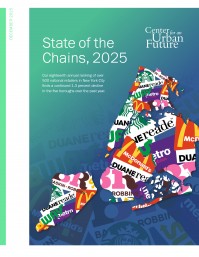
State of the Chains, 2025Our eighteenth annual ranking of over 500 national retailers in New York City finds a 1.3 percent continued decrease in chain stores across the five boroughs over the past year.
Report - December 2025
Creative New YorkThe creative sector—from performing arts organizations to design firms—is more critical than ever to New York City's economy. But mounting affordability challenges threaten its future.
Report - December 2025
The High Cost of Free Job Training in NYCThis report urges city leaders to provide free childcare and a complimentary OMNY card for New Yorkers enrolled in career training programs. Coupling workforce development programs with these vital “wraparound supports” will address a key challenge: too many New Yorkers drop out of training programs due to everyday costs like childcare and transit fares.
Report - December 2025
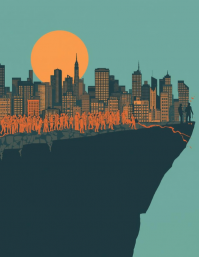
NYC’s Safety Net on the BrinkThis report finds that the federal actions taken over the past year—from the massive cuts in the One Big Beautiful Bill Act to an array of executive orders—present the biggest threat in a generation to NYC's social service nonprofits and the millions of New Yorkers who rely on them.



