






Report - March 2018
Opportunity Knocks: Boosting State Investment in New York’s Workforce Development SystemGovernor Cuomo has proposed to invest $175 million in workforce training initiatives. It is vital that policymakers fully support this new statewide investment, and to ensure that these investments are as far-reaching and effective as possible, the study proposes including an increase in resources for adult basic education, ramped-up bridge programs, and accountability through better data.

Commentary/Op-Ed - March 2018
Op-Ed: Bridge programs get big results, but little supportNew York’s bridge programs serve nowhere near the number of adults who would benefit from them. New York State should make investing in bridge programs part of its proposed $175 million workforce development plan.
Commentary/Op-Ed - March 2018
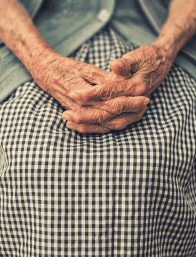
Op-Ed: Sustaining the Caregiving Workforce for New York’s Aging FutureNew York City is facing an impending healthcare crisis. An imminent shortage of home care workers and supportive services threatens to erode the quality of life, safety, and health of older New Yorkers and their families.The state should take the lead to ensure that families have affordable, quality options for protecting the health and safety of older adults.

Commentary/Op-Ed - March 2018
Weather Emergencies and Emergency RoomsDuring severe weather, getting around New York City can be all but impossible. Yet these moments are also the times when doctors, nurses, home health aids, and other medical professionals are most desperately needed. Given the unique challenges storms present, we wanted to share that story here, which ran as a sidebar in our report, An Unhealthy Commute.

Commentary/Op-Ed - March 2018
Op-Ed: NYC’s New Schools Chancellor Should Make College Success MatterIt’s a rare moment when the city’s attention is focused on what it takes to lead the city’s schools. Yet the most important item on the next chancellor’s to-do list is hardly being discussed: preparing vastly more students to succeed in college.



